16 Days Maasai Cultural Experience Program
Maasai Pastoralism and Conservation
In this program the larger groups of students and their faculty are the ones who can see this itinerary and see if it suits them if this is the case follow this for your inquiry or we may change it according to the need of what you like as well. It is a program to learn many things especially Maasai pastoralism and conservation, and the culture as a whole is very close to the program so we are ready to welcome you, serve you and put you in a more educational and learning environment.
Day 1
Arrival to Kilimanjaro International Airport to Arusha.
You take your flight from your country to destination country of your safari. Your arrival might be at night or day but we will be there waiting to pick you up at Kilimanjaro International Airport or somewhere else you like in Tanzania. Your guide is waiting for you outside the open door at Kilimanjaro airport with a sign of your name or group name arriving or with a company sign
Day 2
Coffee Experience and Swahili Clothing (Kanga fabrics).
Visiting coffee plantations, brewing coffee and getting a chance to drink the coffee you have boiled in your hand. Visit local shops and buy different fabrics of Swahili kanga for you, your family and your friends.
Day 3
Maasai Boma Stay.
Traveling to the boma and before reaching the boma we pass by the market then you get a chance to buy maasai sheets for Maasai fabric attire, buy tire shoes, spears and a bush knife if you want. When you get to the boma meet the women and men elders, and get ready for lecture of a boma orientation.
Day 4
Boma to Lake Natron.
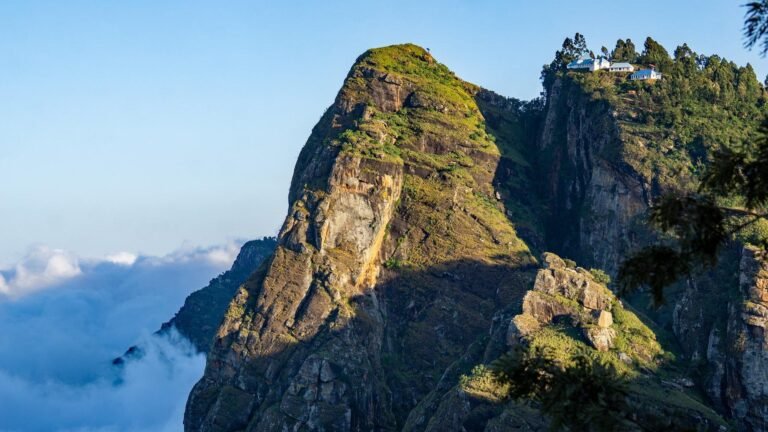
This is traveling day crossing the Maasai villages towards the Volcano area. On the way you stand at a foot print which geologists say is the place with the foot of the magma and look the amazing creation of nature and have a picnic lunch box there. After lunch box you continue the trek to Lengai Mountains and view for photographs in the steepest volcanic mountain. Continue the journey to Lake Natron and overnight at the camp.
Day 5
Lake Natron Stay.
After breakfast at the camp you visit the lake shore, the driver will drive you far to the west part of the lake to explore the flamingos' breeding sites and learn about their migration pattern to various East African saline lakes and explore the foot of the mountain for the Maasai pilgrimage of prayers and then return to the campsite for lunch to be followed by a day hike to waterfalls for a natural swim since during the day is the best time to visit the waterfalls of the Ngaresero River that feeds the lake from the highland of Ngorongoro conservation area and at night climbing Volcano Mountain of Lengai as an option.
Day 6
Travel Day.
After breakfast at the camp you travel to another part of the Maasai land in Loliondo. Eat picnic lunch along the way. Arrive in the boma and get to greet the locals and set up the camp and get a boma orientation. Go to the boma at evening to witness the arrival of livestock from the pastures and back to the camp and get dinner.
Day 7
Boma Stay.
After breakfast you will be divided into groups to go to live with Maasai mothers in their homes. Every student and faculty member will have the opportunity to live with the Maasai household. Every day you observe and practice the works of the Maasai culture as the indigenous do. The girls will go to fetch water and collect firewood, water the cows in the river, sew with beads, the boys will go to graze and pull the branches to cover the fence of the boma.
Day 8
Boma stay in groups.
Everyone will live with the mother he or she has been allocated with and continue to observe the amazing of Maasai culture and the translators will pass by the hours set and continue to talk and translate some of the issues for you while you write journals and have discussions with translators.
Day 9
Boma stay in groups allocated.
Everyone will live with the mother he or she has been allocated with and continue to observe the amazing of Maasai culture and the translators will pass by the hours set and continue to talk to you as you write journals and have continuous discussions with language translators to support you in learning.
Day 10
Boma stay.
Everyone will live with the mother he or she has been allocated and continue to observe and the translators will pass by the hours set and continue to talk to you as you write journals and have continuous discussions with language translators to support you in learning. Language translators will also consult with teachers to determine if there are any problems with students or faculty members.
Day 11
Back to the collective Camp for Orpul experience.
All students and faculty will return to the campsite and conduct their academic meetings, dialogues and compilation of their journal articles. There will be guides who will assist in part of the discussion as guests complete their first meeting or public meeting together. In the evening there will be songs for sang by the Maasai warriors at the camp.
In the Maasai warriors bush camp you get an opportunity to learn about medicinal plants, how the Maasai live in the bush overnight and you will experience the quiet moments of the bush while listening to the sound of nature. You sleep with the warriors in the bush.
Day 12
Visit Village projects and schools.
Visiting any projects available in the village including schools and other projects for further learning and visitors will meet with locals to talk and ask questions.
Day 13
Travel Day.
After breakfast at the camp and all guests say goodbye to indigenous hosts of the Maasai village you travel to Ngorongoro conservation area via the Serengeti national park boundary. Eat picnic lunch at nasira rock and head to oldupai gorge. Go to the gorge museum and study the evolution of human beings and get a lecture about that important place.
The gorge is the site of years of tireless research into the anthropology of early man by the famous Leakey family and prominent universities. The museum is situated on the site of archaeological digs taking place throughout this, and the last, century. The site was made famous by the Leakey’s and some of the amazing hominid finds such as Australopithecus bosei or “Nutcracker Man” (because of his very large teeth and jaws) and Homo habilis (a hominid named for his handy abilities with tools found around the site). Arrive to oldupai gorge within Ngorongoro conservation area then overnight at the camp site at the rim of the Ngorongoro crater
Day 14
Ngorongoro crater game drive.
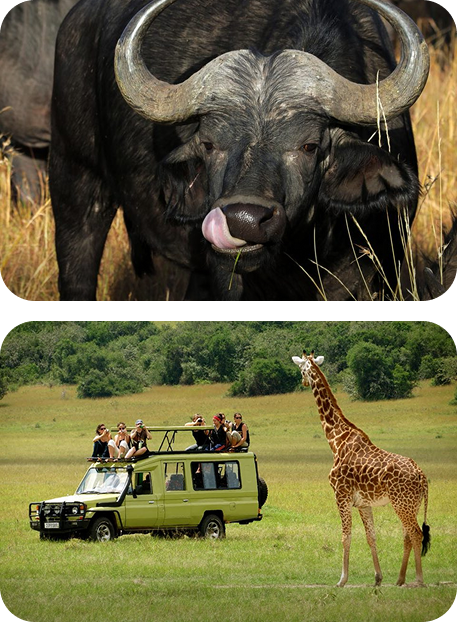
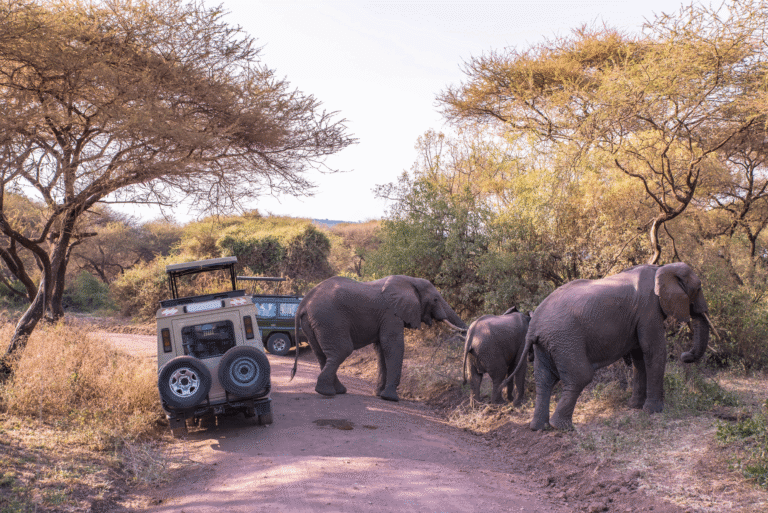
Here you will experience when conservation meet with Maasai way of life. After breakfast at the rim of the crater, you drive and descend into the Ngorongoro Crater for a full day of game viewing. A picnic lunch will be taken on the crater floor, the crater supports up to 25,000 large mammals. Grazers dominate: zebra, wildebeest – accounting for almost half the animals – gazelle, buffalo, eland, hartebeest and wart hog are also plentiful. Giraffe, for example, stay away because there is insufficient food at tree level; topi (an antelope subspecies) because they compete directly with wildebeest. An odd feature of the crater elephants is that they are almost exclusively bulls. Breeding herds – comprising large numbers of females and young with a few attendant older males – are probably unable to find enough quality food in the crater. Ngorongoro has carnivores in quantity, drawn by the large herds of prey animals. It has the densest population of large predators, mainly lion – about 60 – and more than 400 spotted hyenas, living in eight clans of up to eighty individuals. Both lions and hyenas will scavenge from each other, depending on weight of numbers and of course, hunger. You get up very early in the morning and enter the crater hole for the game drive. Return to Arusha
Day 15
Arusha Stay.
Relax in Arusha, take the time to think about the entire journey and finish writing your journal. Hold your last meetings and pack for returning home.
Day 16
Half Day in Arusha.
Get a chance to visit the mall for the last time and find what you want to buy to take home. You have lunch with some of the camp staff and say goodbye. At evening think being transported to the airport to return home.